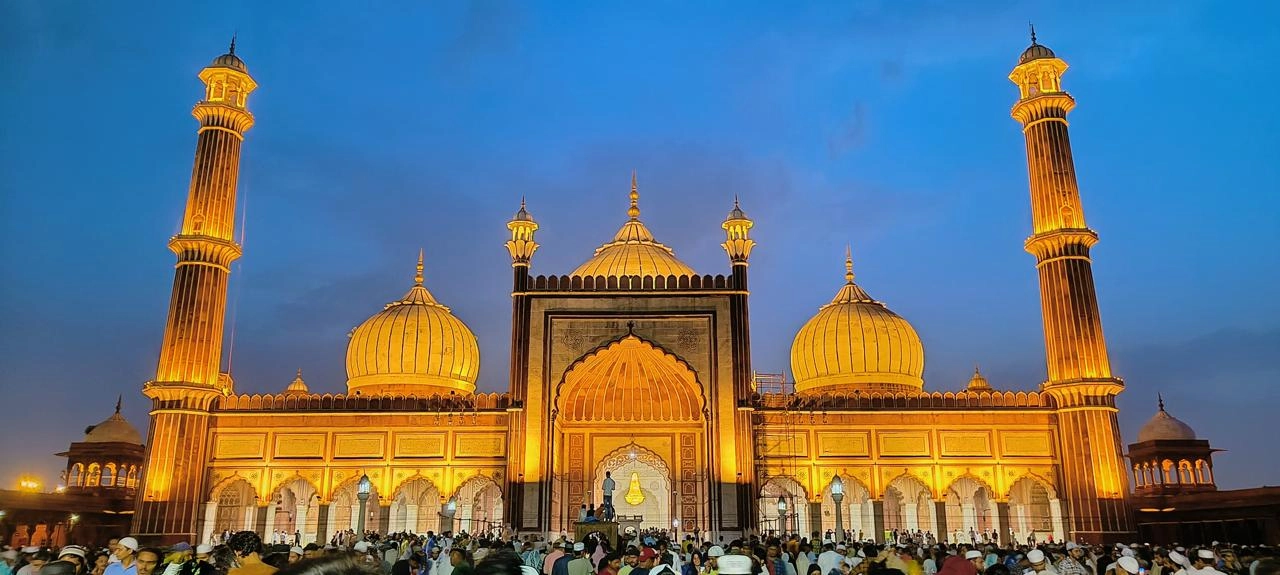
Beyond the Taj Mahal, Agra offers Agra Fort, Fatehpur Sikri, the Baby Taj, Mehtab Bagh, and a distinct old-city food and market culture — enough to fill two to three days without repeating the same monument twice.
1. Agra Fort — the fortress-palace complex overlooking the Yamuna. 2. Fatehpur Sikri — the abandoned red sandstone Mughal capital. 3. Itmad-ud-Daulah (the Baby Taj) — a smaller, quieter marble tomb. 4. Mehtab Bagh — a riverside garden with an alternate Taj Mahal view. 5. Akbar's Tomb in nearby Sikandra, another significant Mughal mausoleum.
6. Kinari Bazaar for local shopping and street life. 7. Sadar Bazaar for a more modern retail experience. 8. Trying petha, Agra's signature ash-gourd sweet. 9. Sampling Mughlai cuisine at a local restaurant. 10. Visiting a marble inlay workshop to see the craft behind the Taj Mahal's decoration continued today.
11. Fatehpur Sikri as a half-day extension. 12. A day trip to Bharatpur Bird Sanctuary for travelers interested in birdwatching. 13. Extending onward to Jaipur as part of the Golden Triangle. 14. A sunset visit to Mehtab Bagh for photography. 15. A guided walk through Agra's old city neighborhoods for a more local perspective.
Agra Fort and Fatehpur Sikri are the two most significant additional sites, both UNESCO World Heritage Sites in their own right.
No — while the Taj Mahal is the main draw, Agra has centuries of Mughal history reflected in several other major sites, plus a distinct local food and market culture.
Two to three days allows a thorough visit without repeating the same pace or type of site each day.